Rapid Emergency Readiness
We arrive quickly to perform emergency water removal and emergency storm cleanup. Fast responses help limit secondary deterioration and lower your overall restoration costs.

Sudden disasters require immediate, decisive action. As an experienced restoration company, we deliver 24/7 restoration services to protect your valuable assets. Our certified specialists manage every aspect of your recovery process.
From the initial emergency cleanup services to full structural rebuilds, we handle the entire project locally. Whether you need basement water removal or comprehensive fire damage repair, our crew safely restores your space. Bringing control back to chaos is our main focus.
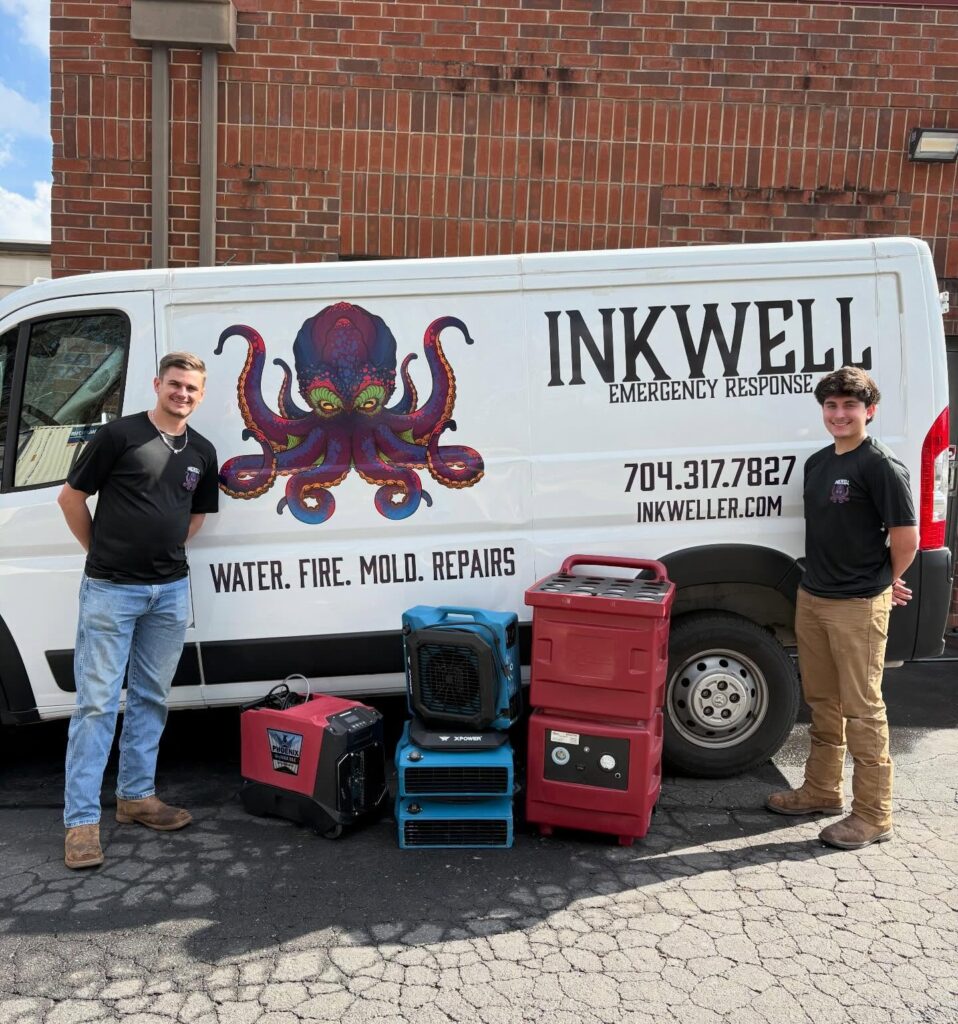

We offer specialized residential restoration services and commercial restoration services across our core regions. Our certified technicians have the professional training to handle complex property emergencies quickly.
Disaster recovery requires absolute precision and trustworthy communication. We offer fast, effective structural repair services to help you navigate severe property losses with confidence.
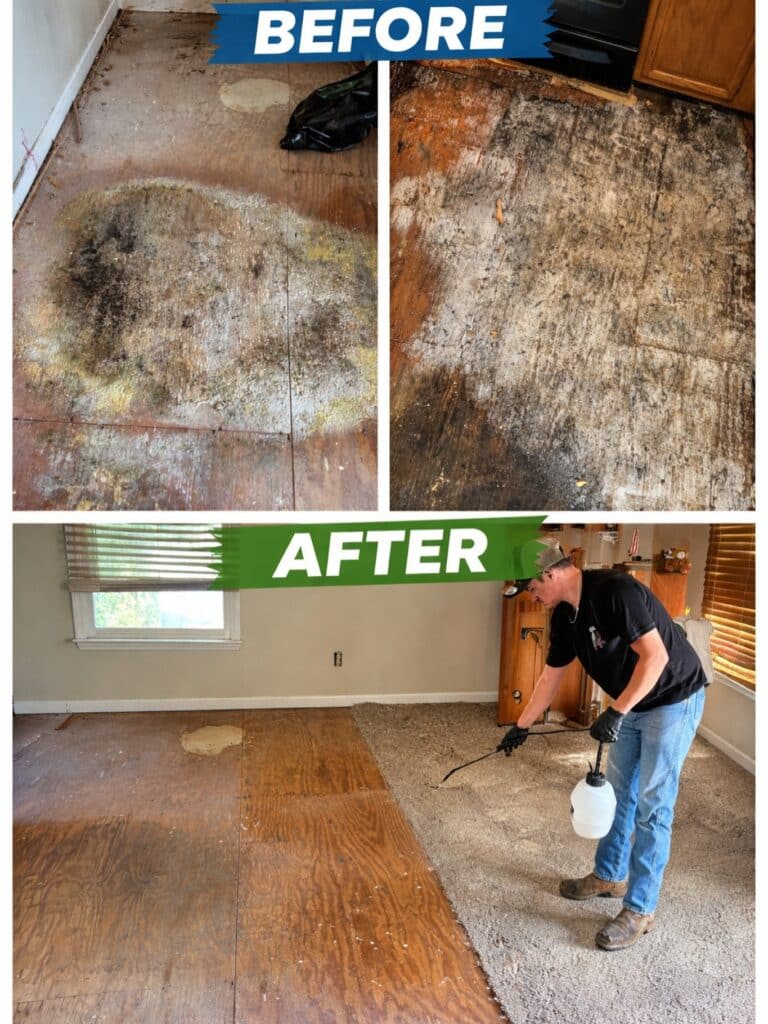
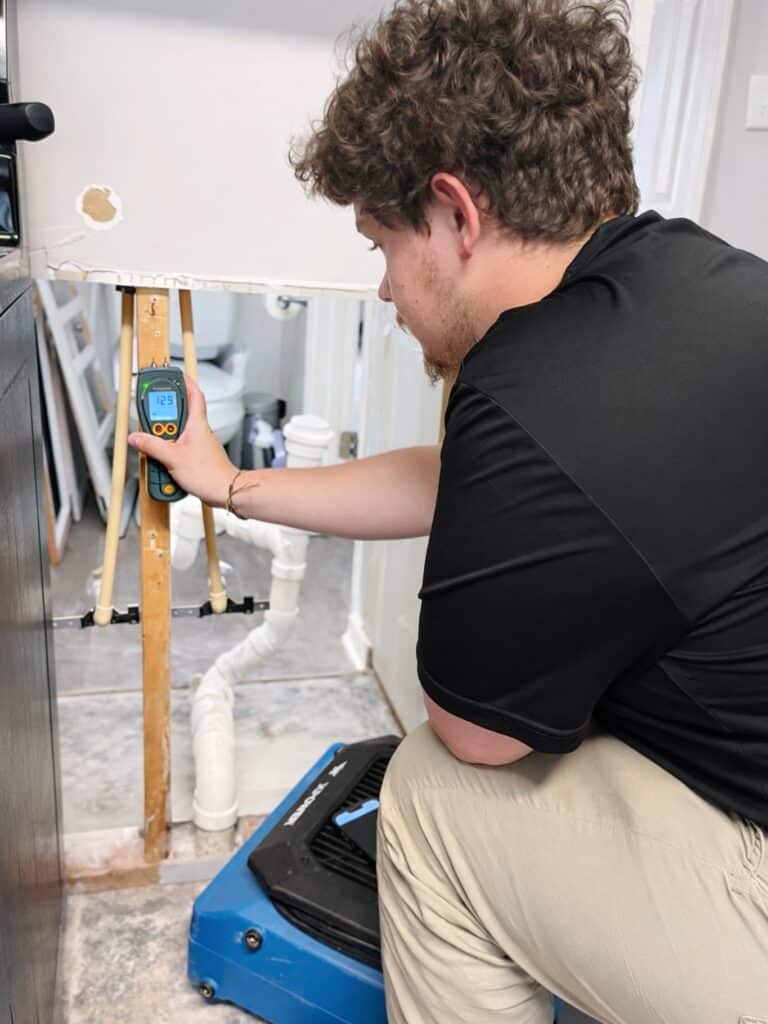
We proudly serve communities across North Carolina and Texas with dependable, locally based emergency response teams. Our local crews deliver reliable property damage restoration directly to your door.
Finding the right restoration and reconstruction partner can feel intimidating immediately after a disaster. We are here to answer your questions clearly and guide you through the stressful process.
Our experts help you understand everything from insurance reporting to asbestos abatement timelines. Contact our team anytime you need professional guidance or property damage documentation.
Do you respond to emergencies fast?
Do you handle both residential and commercial projects?
What is involved in the rebuild process after a disaster?
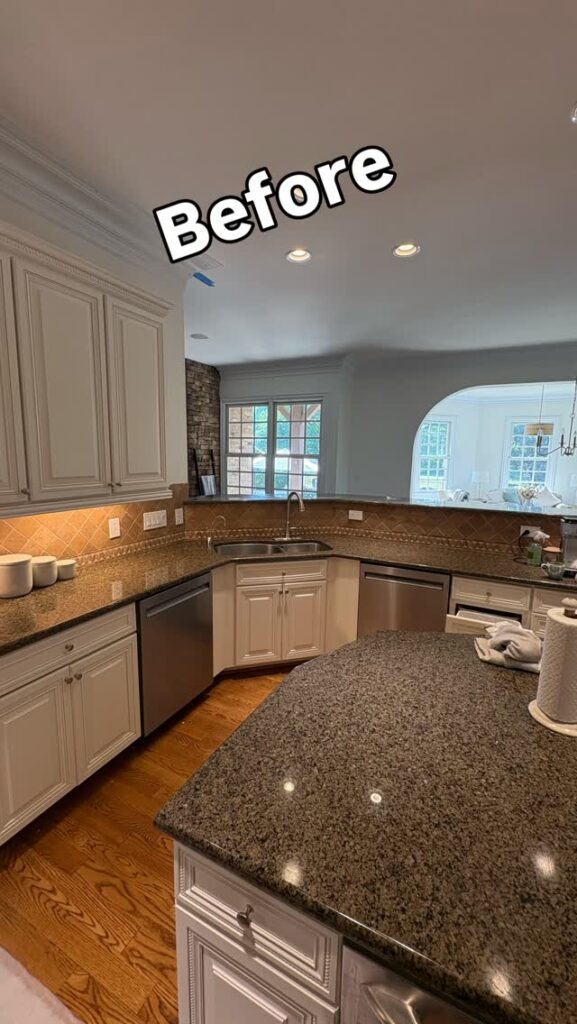
Do not wait to address severe property damage. Contact Inkwell Emergency Response today to secure fast restoration documentation services or begin extensive structural repair services. We offer reliable rebuilding solutions and straightforward, honest support.
Visit our team locally in Charlotte, NC, or speak with our certified experts directly to coordinate services across our entire coverage area.